I remember the precise moment I understood how much effect clear performance data has to a gambling session https://spin-dog.eu/. I was sitting on my sofa, coffee turning cold beside me, moving between two different slots and wondering why one felt so much more satisfying than the other. The theme was comparable, the bonus rounds appeared comparable, but something was amiss. That was the occasion I began looking into the RTP figures, hit frequency stats, and volatility indicators that Spin Dog Casino had quietly provided to every player. What I found really altered how I tackled every spin afterwards. This is not merely about numbers on a screen. It is about understanding what your money is doing in real time and taking choices that align with how you truly want to play. The platform has developed something that appears less like a standard casino dashboard and more like a cockpit of valuable information, and I want to guide you through precisely what that appears like and why it matters.
Understanding the Performance Dashboard Layout

When you for the first time land on the game metrics section in your account, the layout right away suggests that someone thought carefully about information hierarchy. The top of the screen displays a snapshot of your current session: total spins, session duration, net position, and a small sparkline graph that follows your balance movement over the last thirty minutes. Below that lies the game-specific breakdown, which is where things get truly interesting. Each title you have played recently shows its theoretical return to player percentage, your personal actual return, and a volatility rating expressed as a simple low-medium-high badge. I find myself looking at that badge more than anything else because it right away informs me whether a game is likely to produce frequent small wins or rare big ones. The dashboard also colour-codes your personal RTP against the theoretical figure. Green means you are running above expectation, amber means roughly in line, and a soft red indicates you are below the mathematical average. This is not shown as a warning or a nudge; it is solely informational, and I appreciate that the platform trusts players to interpret the data themselves without heavy-handed messaging.
Gaming Time and Spend Tracking Tools
An element I have started to rely on heavily is the session timer that remains persistently in the corner of the screen while any game is active. It is unobtrusive but always visible, counting up from the moment you commence spinning. Beside it, a running total of your session spend appears, calculated as total wagers minus total returns. You can click either figure to expand a more detailed view that provides a breakdown by fifteen-minute intervals. I use this feature constantly because it removes the mental fog that can develop after an hour of play, where you genuinely forget of whether you have been active for forty minutes or two hours. The interval breakdown is notably revealing because it often displays patterns I would not have observed otherwise. Maybe I was focused for the first hour and then commenced increasing bet sizes hunting for a bonus round that never arrived. The data does not criticize; it just presents me what happened, and I can decide whether I am comfortable with that pattern or want to modify next time. This kind of self-awareness tool is something I hope more platforms would adopt.
Slot-Specific Volatility Indicators
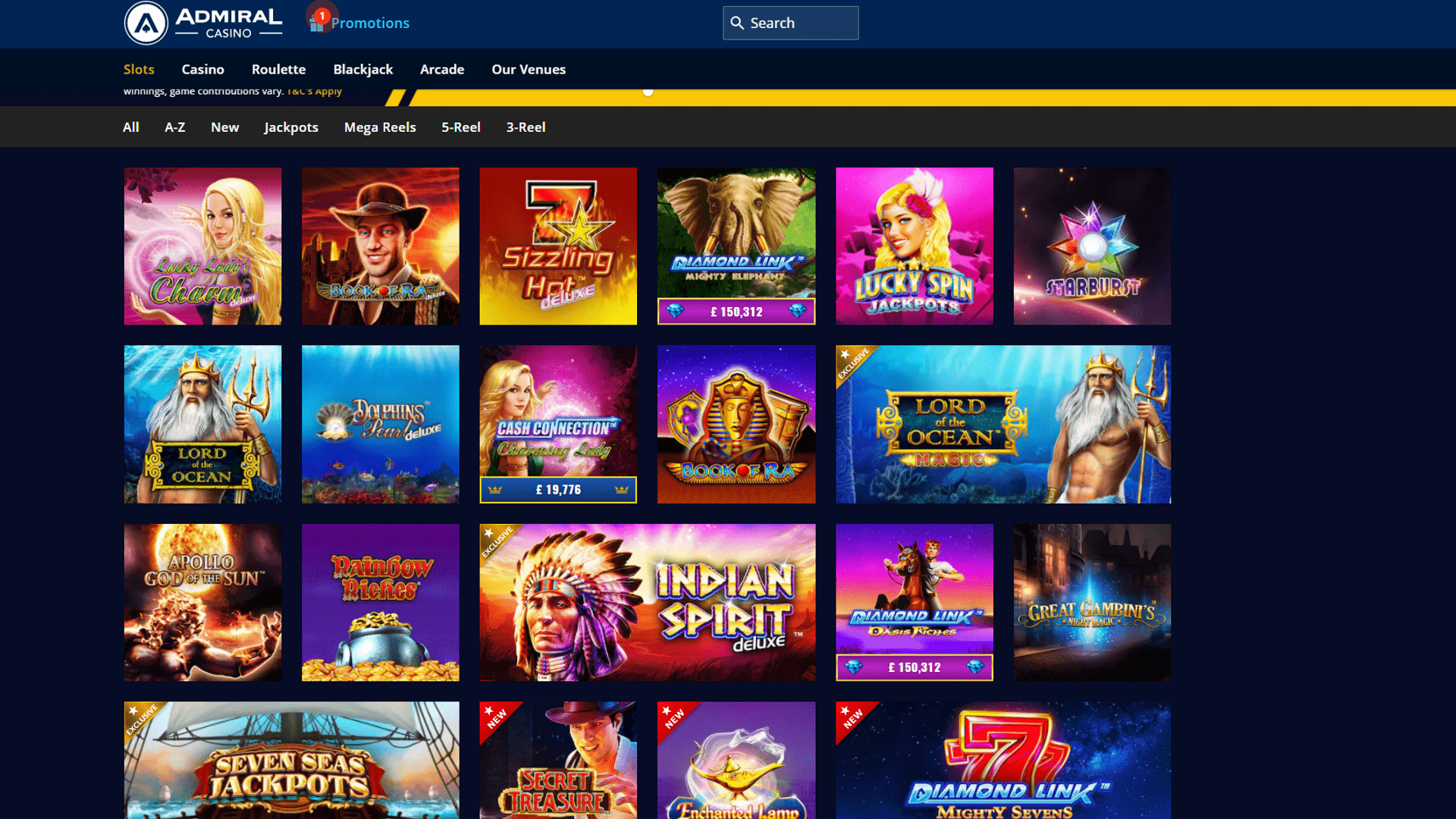
Volatility is one of those concepts that appears in slot reviews frequently, but experiencing it measured on a per-game basis inside the casino itself is a distinct experience altogether. Spin Dog Casino attributes each slot a score from one to five for volatility, alongside a short description of what that signifies for your anticipated play pattern. A one-star game might say „frequent small payouts, ideal for extended sessions with a modest bankroll,“ while a five-star title warns „long dry spells possible, but significant win potential when features trigger.“ I have learned to align these indicators to my mood and budget before I even start a game. On evenings when I prefer to relax and see regular action, I filter for low-volatility options. When I feel like going for something substantial and understand that I might bust quickly, I head straight for the high-volatility section. The filtering tools let you sort the entire game library by these metrics, which turns what could be a random browsing session into a deliberate selection process. That shift from random to deliberate is, in my view, the entire point of making this data visible.
Mobile Gaming and Stat Display
I perform almost all of my gaming on a mobile device, so the way performance metrics carry over to a reduced screen makes a big difference to me. The touchscreen design at Spin Dog Casino features a collapsible panel system that keeps the game in focus while enabling you to pull down to display your round data. The panel glides effortlessly over the gaming display without interrupting play, which is crucial because nothing ruins the experience faster than a awkward pop-up. The core numbers, session time, net position, and a small risk gauge, stay on screen in a thin status bar at the top of the screen even when the complete interface is collapsed. Touching any of those numbers expands the corresponding info without navigating you from the game. I have used this on both a recent Apple phone and an older Android device, and the performance holds up well on both. The color scheme remains clear, the font is readable without effort, and the buttons are large enough that I am not opening menus by mistake while trying to bet. For a feature set this information-rich, the phone version is impressively restrained and practical.
Warnings and Alert Customisation
The alert system ties directly into the performance metrics and delivers a amount of precision that I have not encountered elsewhere. You can configure warnings for particular values: when your gaming session arrives at a specific length, when your total loss reaches a chosen number, when a individual payout surpasses an amount you set, or even when your own payout percentage on a game falls under a certain percentage. Each notification category can be adjusted on its own, and you can pick between a subtle banner notification, a haptic alert, or both. I maintain the session duration alert enabled at 45 minutes and the loss limit alert at my predetermined spending cap. The winning warning is something I switch on when I am betting on risky games, because those major payouts can appear without warning and I like being reminded to stop and consider whether to secure the payout or continue. The warnings never come across as disruptive because they appear as tiny notices that disappear after a few seconds, and you can swipe them away with a gesture if you are in the mid-bonus. The system respects that you are there to game, not to deal with warnings, and that balance is struck perfectly.
Leveraging Performance Metrics for Bankroll Management
Bankroll management seems boring until you possess the tools to turn it feel active and responsive rather than just a set of fixed guidelines you set at the start of a session and then ignore. The performance metrics at Spin Dog Casino feed directly into a set of adjustable limits that you can adjust based on what the data reveals to you. You can set a loss limit for the session, a single-win threshold that prompts a cooldown notification, and a time-based reminder that nudges you when you have been playing continuously for a duration you specify. What makes this unlike standard responsible gambling tools is that the limits appear alongside your live performance data, so you are always aware of how close you are to the boundaries you set. I typically set a loss limit equal to my session budget and a win threshold at double that amount. When the dashboard shows my net position moving toward either figure, the colour of the balance display transitions gradually from white to amber, giving me a visual cue without interrupting the game. This subtle approach respects my autonomy while keeping me informed, and I have found it significantly more effective than the abrupt pop-ups that other platforms use.
Setting Personal Benchmarks with Live Data
Beyond the preset limits, there is a feature I have grown very fond of that lets you attach a custom benchmark to your session dashboard. You can set a target number of spins, a desired win amount, or a maximum acceptable loss, and the interface will track your progress toward that goal in a small progress bar. I use this most commonly when I am testing a new game and want to give it a fair run without overcommitting. I will set a benchmark of two hundred spins and a loss limit of fifty units, then let the session play out while the dashboard quietly tracks both metrics. At the end, I can glance back and see not just whether I won or lost, but how the game behaved across those two hundred spins. Did it trigger the bonus round at all? How many dead spins did I experience between features? The benchmark data turns a vague impression into something I can actually examine and learn from. That review process has made me a considerably more selective player, and my sessions feel more intentional as a result. I am no longer just clicking buttons and hoping; I am observing patterns and adjusting my approach based on what the data reveals.
Play Records and Activity Reports
An area of the platform that I imagine many players overlook is the comprehensive game history log, which records every spin you have made across all titles for a rolling thirty-day period. This is not just a list of outcomes; each entry includes the game name, bet size, result, running balance, and a timestamp. You can filter the log by date range, by game, or by outcome type, which makes it remarkably useful for identifying trends in your own patterns. I settled with my log one Sunday afternoon and observed that my bet sizes tended to drift upward after 10 PM, regardless of whether I was winning or losing. That single observation prompted me to set a time-based reminder for 9:30 PM that simply asks if I want to continue or wrap up. The log also lets you to export your data as a CSV file if you want to analyse it in a spreadsheet, though I imagine only the most dedicated numbers enthusiasts will go that far. For most players, the value resides in being able to go back through a session and see exactly how it unfolded, free from the selective memory that tends to exaggerate wins and understate losses. Having an objective record available at any time is a unexpectedly grounding thing.
Downloading and Checking Your Play Data
The export function merits a bit more attention because it opens possibilities that go well beyond casual review. When you download your play data, the CSV file includes columns for date, time, game ID, game name, bet amount, win amount, balance after spin, and a flag indicating whether a bonus feature was active. I have used this data to determine my own statistics, such as average bonus frequency across different volatility levels and my personal hit rate on various bet sizes. The exercise revealed that I tend to fare better on medium-volatility games with bet sizes in the middle of my range, while my results on high-volatility slots with maximum bets are typically swingy. None of this is earth-shattering mathematics, but seeing it expressed from my own actual play history makes the patterns feel real and actionable. The platform also features a note reminding you that past performance does not predict future outcomes, which is a responsible touch that I appreciate. The data is there to educate, not to promise anything, and the distinction is handled well throughout the entire metrics system.
The way RTP Transparency Shapes Player Decisions
RTP is a statistic that every experienced gambler recognizes, but few actually utilize as an practical guide during a live session. The reason is simple: most platforms bury the RTP data in a help file or a separate page that nobody visits while spinning. Spin Dog Casino takes a distinct approach by displaying the theoretical RTP of every game directly on the game tile before you even click to launch it. Next to that number, once you have experienced the game at least once, your personal RTP is shown for comparison. I have discovered this dual display genuinely valuable in ways I did not anticipate. For example, I realized that my personal RTP on a specific high-volatility slot was sitting at 72 percent after two hundred spins, well below the advertised 96 percent. That is not uncommon statistically, but viewing it prompted me to stop and consider whether I wanted to keep chasing a bonus round or move to something with less variance. The information did not make the choice for me, but it gave me a clear picture of where I found myself, which is all I can reasonably expect. Over time, I have gravitated toward games where my personal RTP aligns with closer to the stated figure, simply because those sessions are less stressful.
Contrasting Theoretical and Individual Return Rates
The gap between the calculated RTP and what you actually experience in a given session can be substantial, and grasping that gap is essential for preserving a sound outlook on gambling. Theoretical RTP is calculated over vast numbers of simulated spins; your stint of 300 spins is a minor blip in that spread. The data panel at Spin Dog Casino shows this clearly by showing a tiny info icon next to your individual RTP number. Selecting it opens a short explanation that says something like „Your personal return applies only to this session and will naturally fluctuate. Over larger sample sizes, it typically moves toward the theoretical rate.“ I appreciate that the platform does not attempt to conceal the variability of immediate outcomes behind averages. Instead, it shows both numbers together and allows the difference to speak for itself. I have had periods where my personal RTP was one hundred forty percent after triggering an early bonus, and other sessions where it languished at 40 percent for an hour straight. Seeing those extremes shown calmly and without fanfare has helped me understand the unpredictability that supports every spin, which in turn makes the losing streaks easier to endure without losing composure.
Frequently Asked Questions
What exactly does the volatility rating actually mean for my session?
Risk level describes how a slot distributes its winnings over time. A low-risk game usually yields frequent but smaller wins, which can help your balance last longer and provides you with more consistent encouragement. High variance games, by contrast, may go through prolonged phases with minimal or zero payouts, but they hold the promise for much larger payouts when special rounds or bonus symbols land. The score on Spin Dog Casino employs a 5-tier system so you can quickly gauge where a game lies on that continuum. I find it most valuable for matching a game to my ongoing balance and patience level. If I have a lower amount and desire a laid-back night, I stay with one-star or two-star titles. If I am feeling adventurous and accept that I might lose my gaming funds quickly, I turn to the four-star and five-star games. The system is no assurance of anything, but it provides precise expectations before you spend actual cash.
How frequently is the individual RTP value refreshed?
Your own return to player percentage refreshes in near real time as you play. After each spin, the system computes your total wagered amount against your total returns for that specific game during the current session. If you switch games and come back later, the figure clears for the new session. This means the personal RTP you see is always a representation of your most recent activity on that title, not a lifetime average. I actually prefer this approach because a lifetime figure can be deceptive. A single massive win from six months ago might make your long-term RTP look good even if you have been losing consistently for weeks. Session-based tracking gives you a honest, unvarnished look at how the game is treating you right now, which is far more practical when you are deciding whether to continue or switch to something else.
Am I able to mask the performance metrics if I find them annoying?
Yes, the entire metrics panel may be collapsed or hidden entirely with a single tap. The collapsible panel moves aside to leave a fully clean game screen, and even the slim status bar can be toggled off in the settings menu. The platform keeps your preference, so if you remove the metrics once, they will stay hidden until you manually pull them back up. I sometimes hide everything when I want a fully immersive session without numbers tugging at my attention. The data is constantly available when I want it, but it never pushes itself into view. That optionality is important because different players have distinct relationships with performance data. Some find it motivating, others find it worrying, and the design supports both camps without judgment. You can also decide to show only specific metrics while hiding others, creating a custom view that suits your personal comfort level.
Does viewing RTP and volatility data affect bonus eligibility?
No, accessing the game statistics has absolutely no impact on your qualification for any bonuses, bonuses, or loyalty rewards. The metrics system is completely independent of the offer mechanism, and your utilization of these informational tools is not tracked or factored into any promotional calculations. I have personally claimed multiple match bonuses and free spins while frequently checking the control panel, and my eligibility has never been questioned or altered. The platform views the data as a player education and educational tool, not as a requirement or factor for other features. You can review RTP data, look over your gaming history, and adjust your volatility filters as often as you like without fearing that it will somehow mark your account or lower your promotional value. This distinction between information tools and marketing offers is, in my opinion, the ideal way to handle it.
Schreibe einen Kommentar